Why Bishnupur Belongs on Your Bengal Itinerary
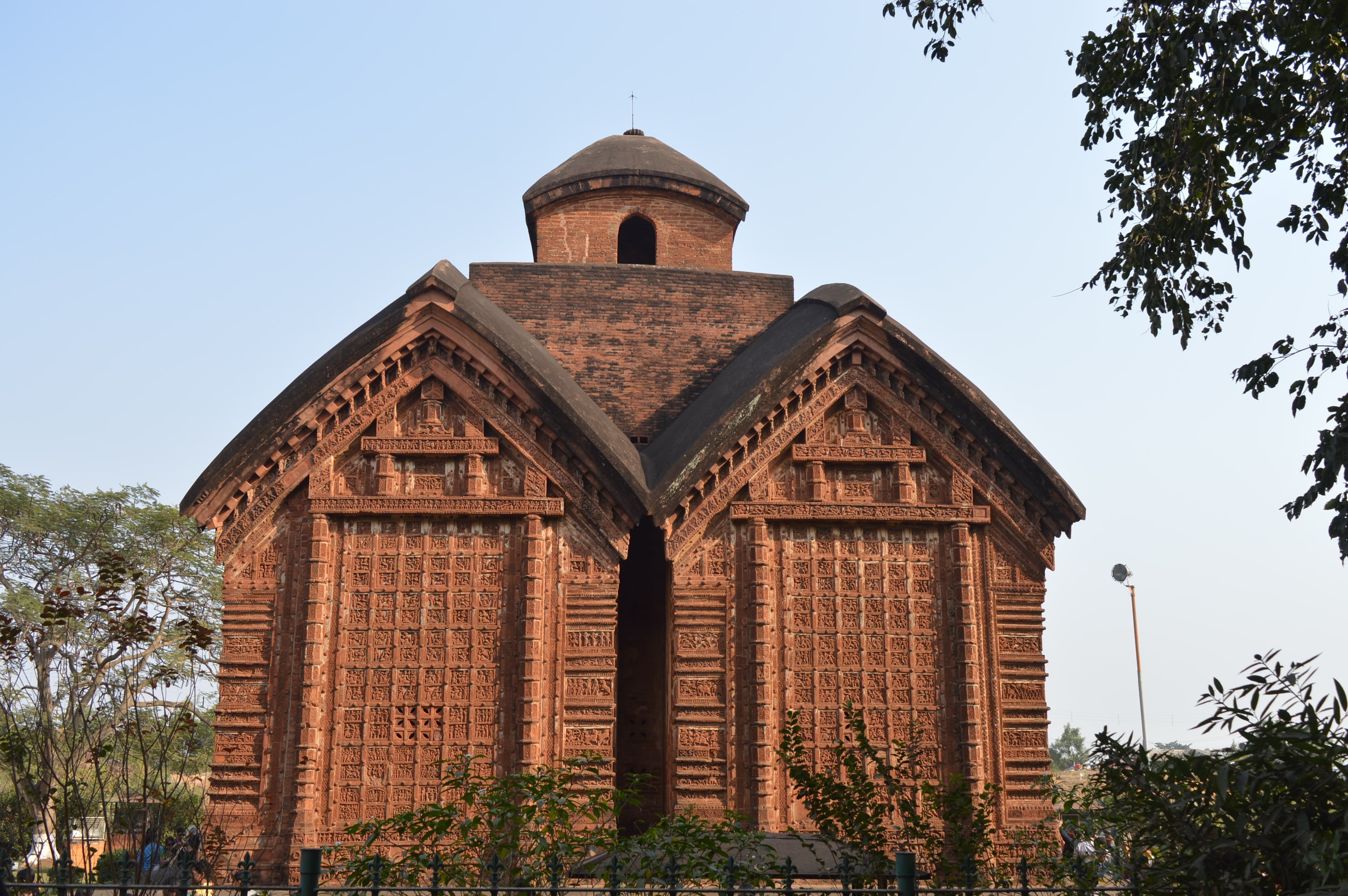
While Rajasthan boasts sandstone architecture and Tamil Nadu granite, Bengal, a region blessed with plenty of rivers and alluvium, had none of these, and thus its architects chose the material of clay. This resulted in one of the most unique architectural styles of India, and no other place preserves it as well as Bishnupur does. The terracotta temples of Bishnupur stand proudly in the plains of Bankura district, and their brick-red, curved roof buildings are completely decorated with panels of images made of fired clay depicting deities, battles, dancing figures, and scenes from the life of a village.
This is certainly not a destination with palaces and luxurious resorts; this is a place for those interested in admiring details of an architectural elephant, little Krishna among cowherds, and weavers in lanes filled with tiled houses. This trip is one of the most fascinating trips you can undertake from Kolkata, and one of the least known by foreign tourists.
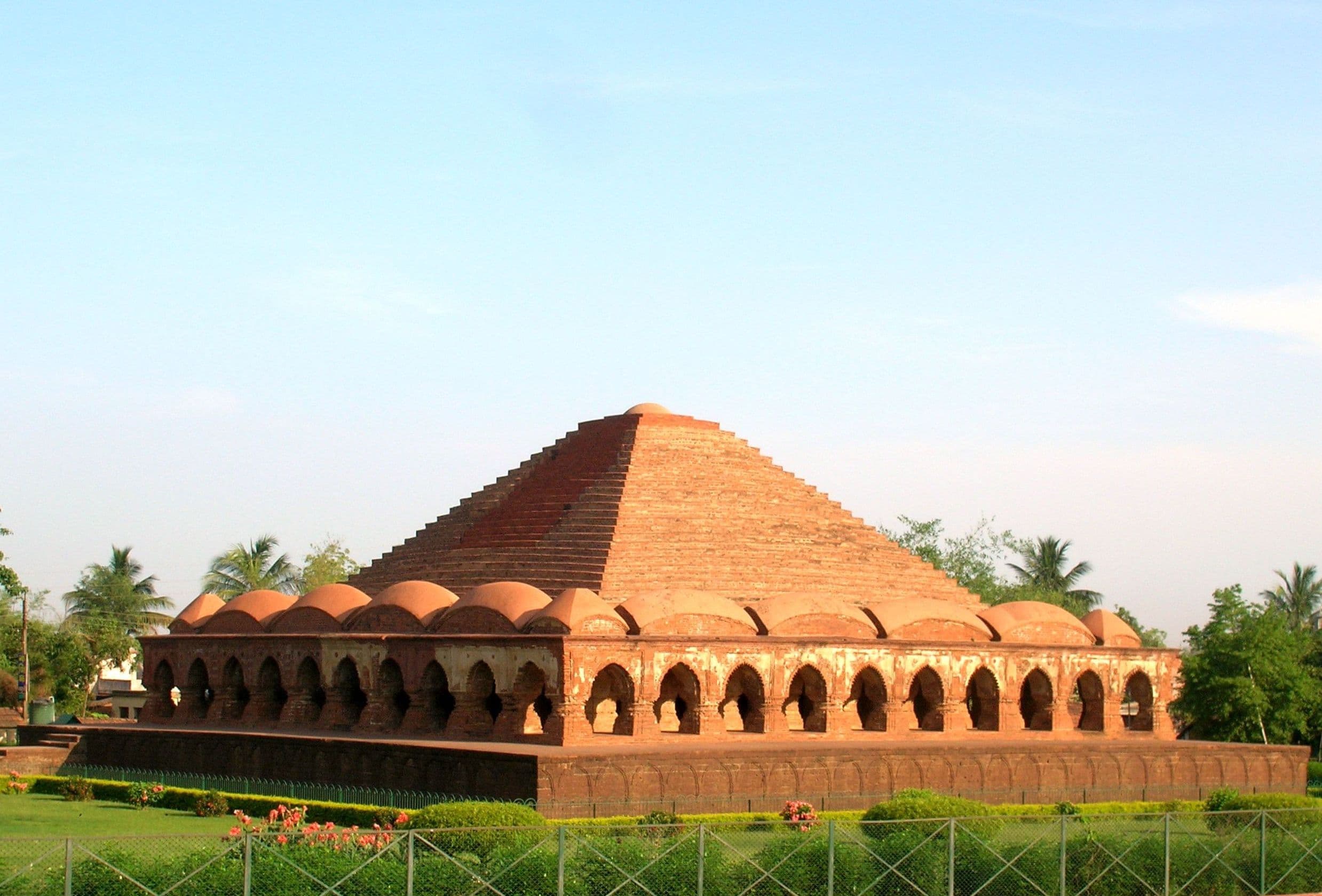
Image via wikipedia
This guide will give you information about the history of the royal family that created Bishnupur, places worth visiting in this small town, surviving crafts and musical traditions, and ways to make your travel comfortable.
Bishnupur at a Glance
| Detail | What to know |
|---|---|
| Location | Bankura district, West Bengal, in the Rarh region west of the Damodar |
| From Kolkata | About 135 km; roughly 3.5 hours by road or 3.5 hours by direct train from Howrah |
| Known for | Terracotta temples, Rasmancha, Jor Bangla, Dalmadal Cannon, Baluchari silk, terracotta horses |
| Built by | The Malla dynasty, mainly in the 17th century, under Mughal-era patronage |
| Character | Quiet, small-town, walkable; devotional and artisan-led |
| Ideal for | Architecture, photography, textile and craft enthusiasts, culturally curious couples and families |
| Ideal stay | One long day or, better, one night |
A Short History: The Malla Kings and Their Temple Town
According to local tradition, the Mallas trace their ancestry back to Adi Malla in the 7th century. There is, however, little evidence to support this claim until much later on. The Mallas were chieftains in the Rarh area before the invasion of Bengal by the Mughals in 1574 and they submitted to Mughal rule which they thrived under.
Their capital, Bishnupur, flourished and became a cultural center through an increased devotion to the cult of Krishna. This occurred when the Malla king converted to Vaishnavism which was the religion of the Chaitanya Movement which swept through Bengal in the 16th and 17th centuries. During the rule of the Malla kings in these centuries, Bishnupur came to be populated by temples devoted to the god Krishna. The most impressive temples belong to the period of mid-17th century when the dynasty was at its peak.
In the 18th century, the city faced the invasion by the Marathas who plundered the place. The famous cannon called the Dalmadal Cannon which dates back to 1742 has entered folklore. According to local lore, Madan Mohan the god fired the cannon to drive the invaders away.
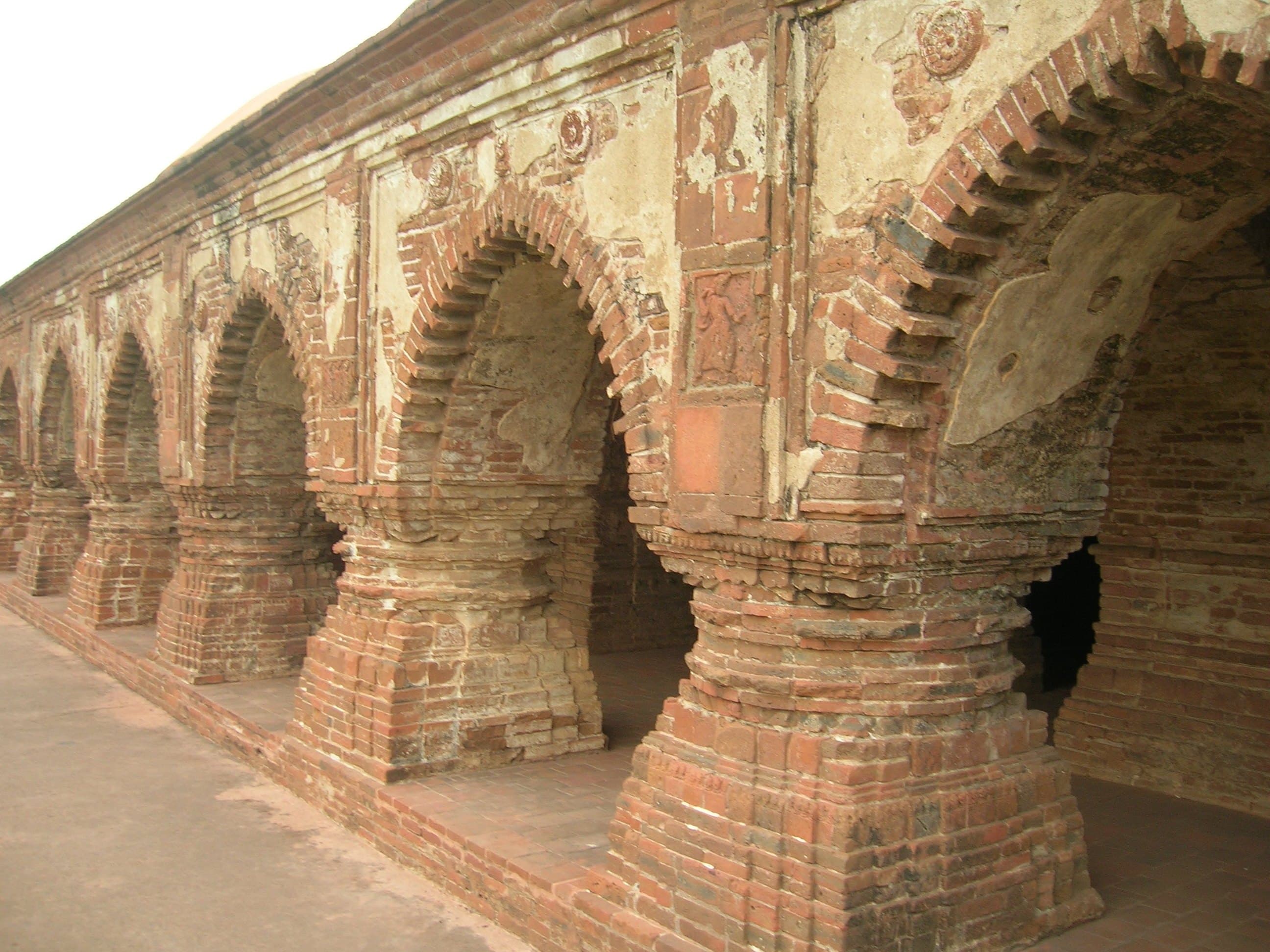
Image via wikipedia
Where to Stay
Be realistic in your choice of accommodation. Bishnupur is a small town and all accommodations are limited to lodges and hotels including the government tourist lodge that is located near the temples. I could not confirm the presence of any heritage hotel in the town hence we recommend combining an enjoyable stay in Kolkata or Durgapur with a car rental day.
| Option | What it offers | Best for |
|---|---|---|
| Tourist lodge in Bishnupur | Simple, central, with an on-site restaurant (Bengali and multi-cuisine) | Short overnight stays, early starts |
| Boutique or guesthouse stay | Small family-run properties; quality varies | Local atmosphere |
| Kolkata base with private car | Luxury Kolkata hotels with a day trip by car | Comfort-focused travellers with limited time |
At India Heritage Travel we vet any overnight, and when a property is not at the standard our guests expect, we plan the journey as a comfortable private-car day from Berhampore or Kolkata instead.
Reading the Clay: Bengal Terracotta Architecture
- • Curved "bangla" roofs. The curved eaves imitate bamboo and thatch, designed to shed monsoon rain.
- • Temple types. Look for the pancha-ratna (five-tower) design of Shyam Rai, the single-tower (eka-ratna) form of Madan Mohan and the twin-hut jor-bangla of Keshta Rai.
- • Relief panels. Fired-clay tiles, moulded and carved, tell stories from the Ramayana, the Mahabharata and Krishna's life, along with scenes of hunts, music and daily life.
- • Laterite and brick. Where stone was used, it was laterite, a soft reddish rock common in the region; brick and terracotta supplied the fine detail.
- • Raised plinths. Most temples stand on platforms, a practical response to Bengal's floods.
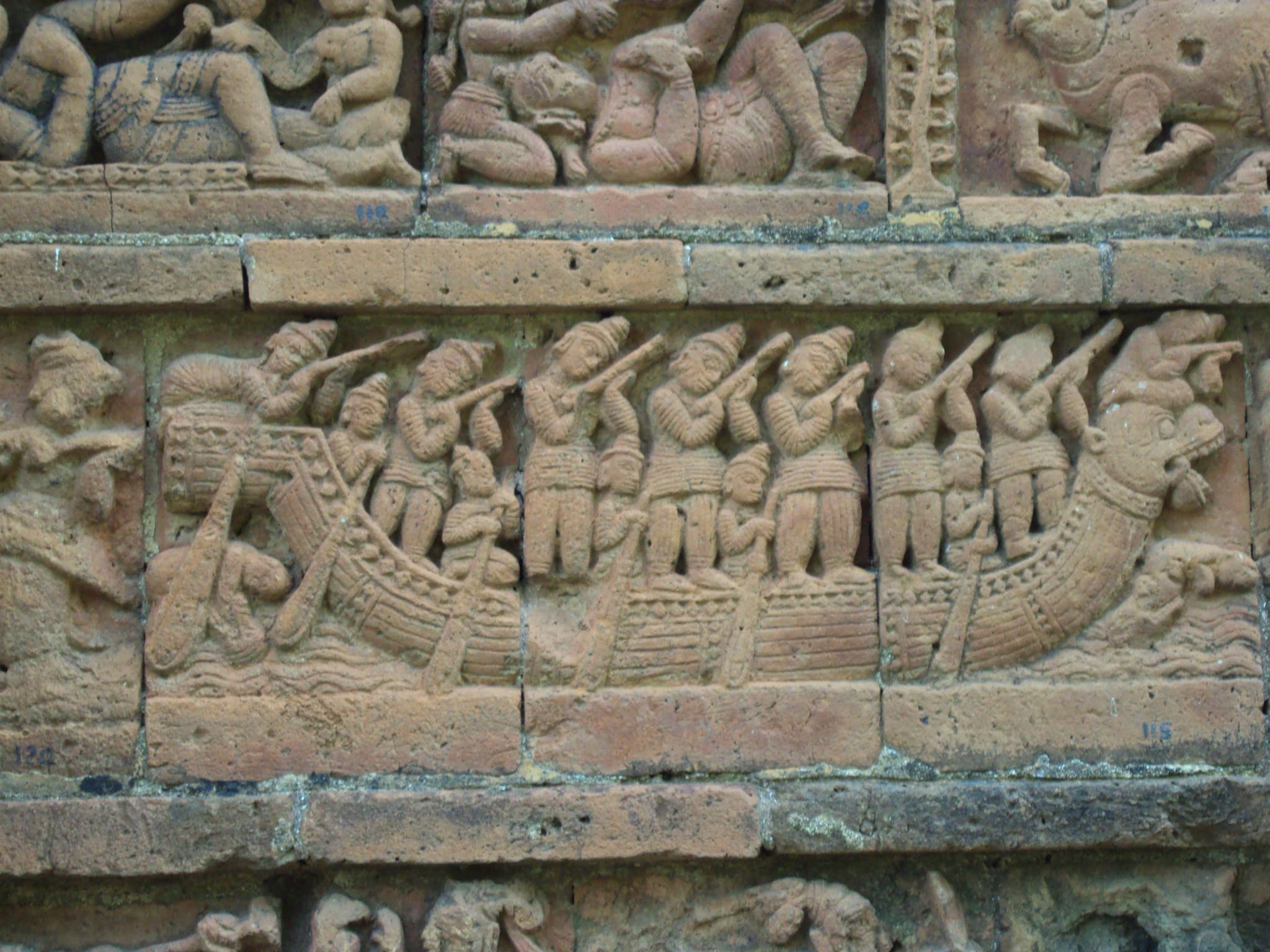
Image via wikipedia
Baluchari Silk Saris
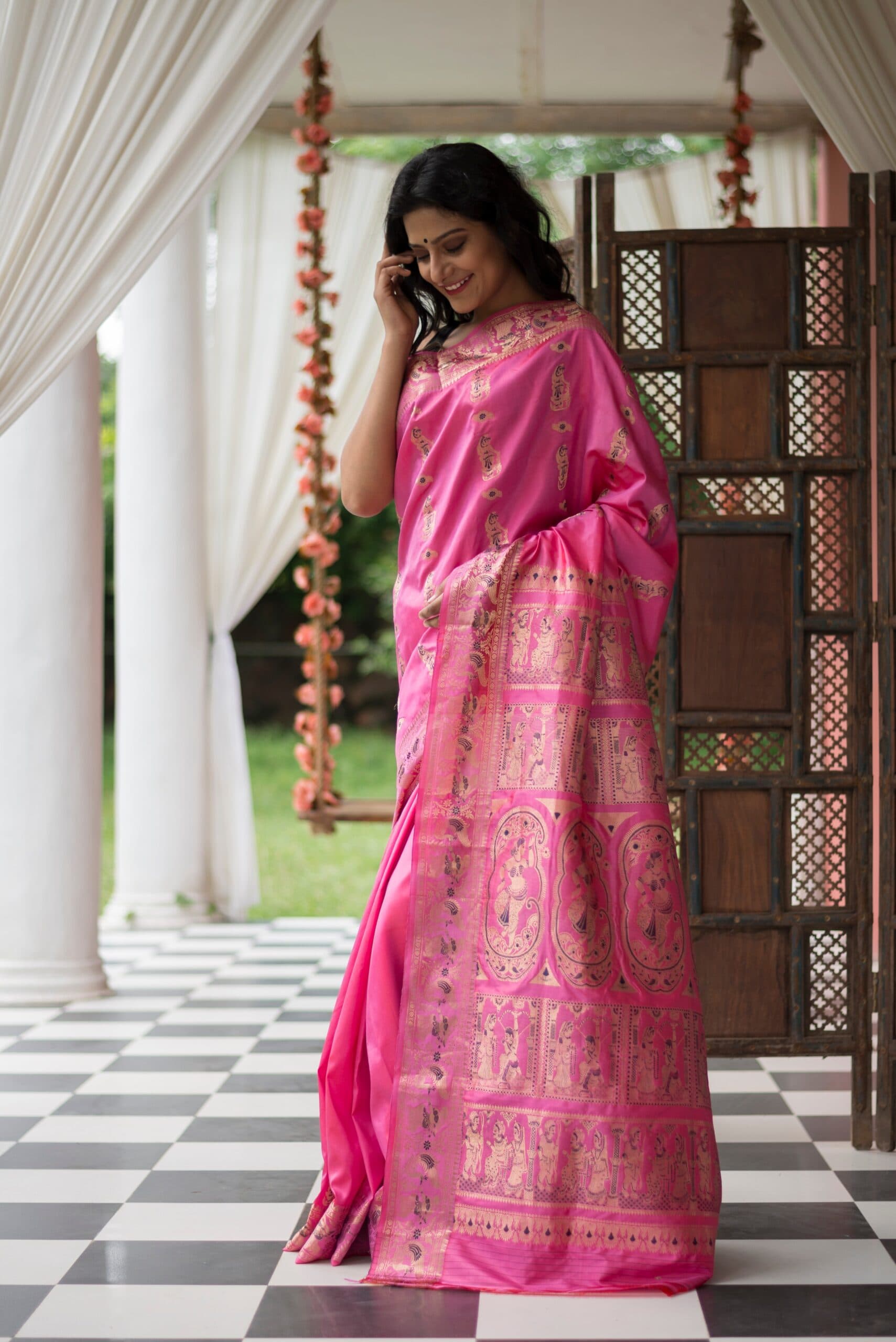
Baluchari Silk Saris
Image via wikipedia
Baluchari Silk Saris
Baluchari Sari belongs to Bishnupur. The origin of this craft was in Baluchar, which is in Murshidabad, but later on, due to some flood occurrence, the craft got shifted to Bishnupur. It is famous for its intricate borders and the picture-like pallus, usually with the depiction of epic themes similar to those depicted on the temple panels.
Terracotta and the Bankura Horse
Image via wikipedia
Terracotta and the Bankura Horse
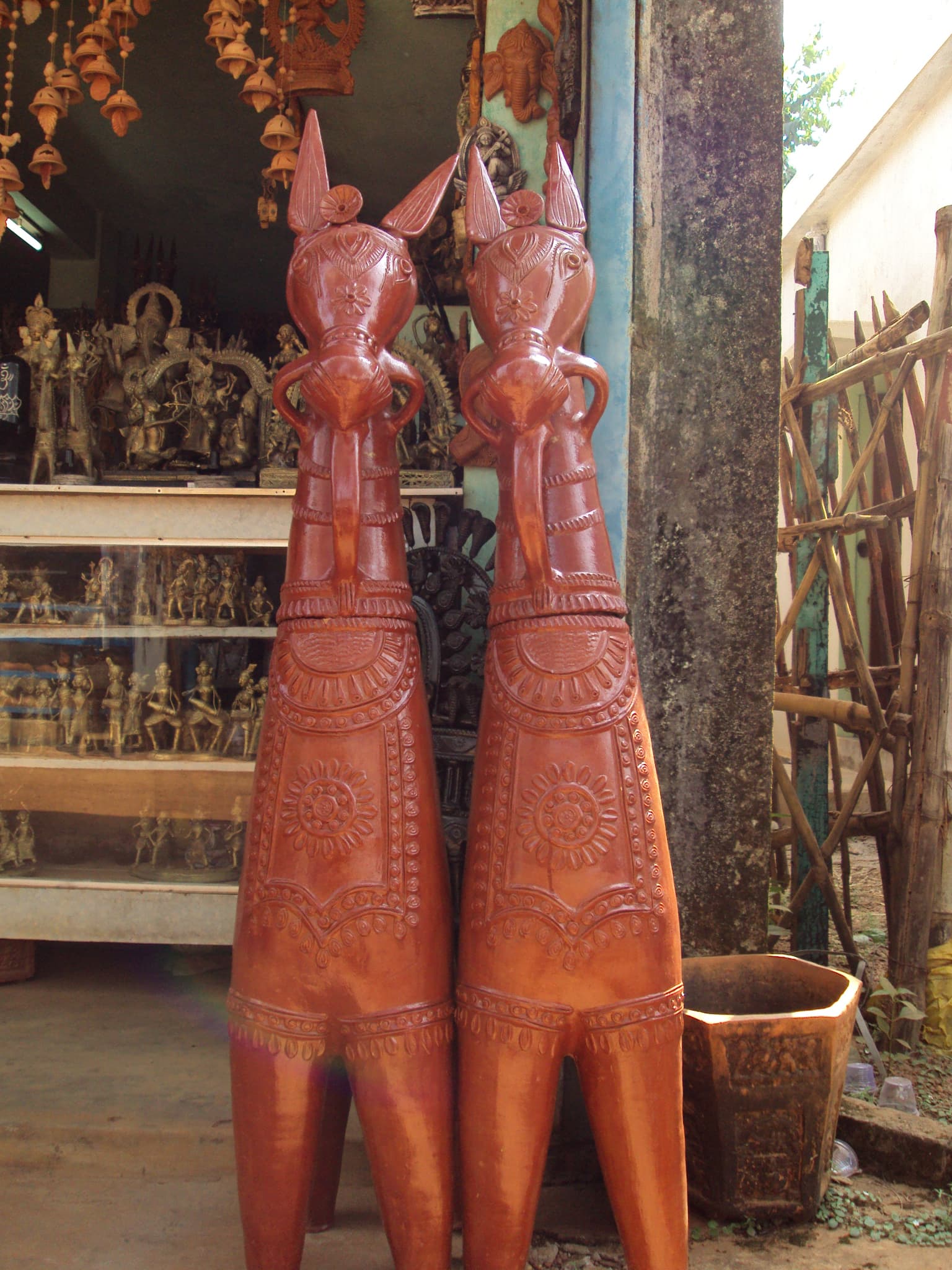
The iconic craft of the area is the Bankura horse, a graceful figure made of terracotta which signifies devotion and valor. It has been practiced by the artists of the Panchmura village located at a distance of 22 km from Bishnupur, where an Urban Craft Center gives an insight into the process involved.

Dashavatar Cards and Music
Image via wikipedia
Dashavatar Cards and Music
Dashavatar cards made by hand painting have been produced here. The ten incarnations of Vishnu are portrayed on these circular cards. These cards were a pastime of royalty in olden days. Bishnupur is a place where there is a strong tradition of classical music that is said to be called Bishnupur gharana of dhrupad.
Cultural Significance
Bishnupur is an embodiment of the Vaishnava renaissance of Bengal; the worship of Krishna in clay form. The festivals held in the region, especially the Bishnupur Mela at the end of December and the Ras festival, ensure that the temples continue being used for worship rather than being turned into mere monuments.
Where to Stay
Be realistic in your choice of accommodation. Bishnupur is a small town and all accommodations are limited to lodges and hotels including the government tourist lodge that is located near the temples. I could not confirm the presence of any heritage hotel in the town hence we recommend combining an enjoyable stay in Kolkata or Durgapur with a car rental day.
| Option | What it offers | Best for |
|---|---|---|
| Tourist lodge in Bishnupur | Simple, central, with an on-site restaurant (Bengali and multi-cuisine) | Short overnight stays, early starts |
| Boutique or guesthouse stay | Small family-run properties; quality varies | Local atmosphere |
| Kolkata base with private car | Luxury Kolkata hotels with a day trip by car | Comfort-focused travellers with limited time |
At India Heritage Travel we vet any overnight, and when a property is not at the standard our guests expect, we plan the journey as a comfortable private-car day from Berhampore or Kolkata instead.
Best Experiences
- • Temple trail walk led by guide. The guide will interpret the panels for you.
- • Late afternoon light at Jor Bangla. See the terracotta glowing with a deep red light.
- • Visit the Baluchari handloom. You can watch the weaving process here and purchase products from them.
- • Toto ride through the streets. Toto is an electric rickshaw and is the traditional means of covering the temples.
- • Panchmura visit. Discover the process of making Bankura horses.
- • Bishnupur Mela. This festival is held in the month of December.
Hidden Gems
- • Stone chariot and old gateways. Can be easily missed in between the major temples.
- • Temple structures made of laterite found in the streets. Quiet temples with very few visitors.
- • Craft villages of Pratappur and Panchmura. Places where clay pottery is made.
- • Lakes in Bishnupur. Historical water tanks located beside the temples, beautiful in the evening.
- • Rasmancha in early morning hours. Very less crowd and bright lighting.
What to Eat
Food is the main attraction, as one can have a typical thali consisting of rice, dal, seasonal vegetables and fish from rivers, posto boda (fritters made out of poppy seeds) and sweet dishes like mishti doi, sandesh and specialties of Bishnupur. Tourist lodges and local eateries offer simple and fresh food, which is also available in the vegetarian version. Pack drinking water and take your lunch in town.
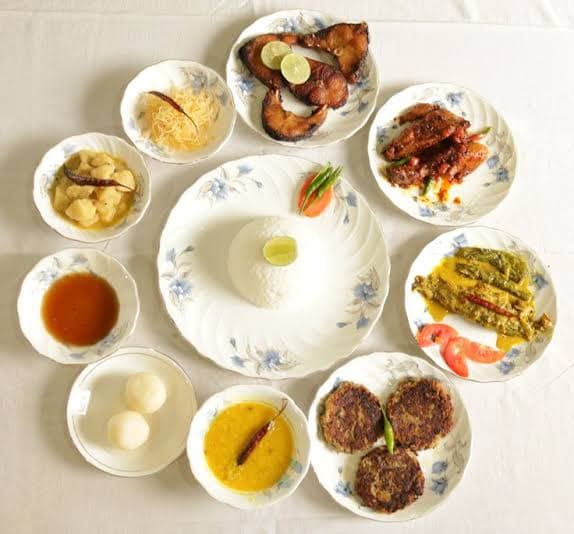
Image via encrypted-tbn0
Nearby Attractions
- • Panchmura – Terracotta horse village, located 22 km away.
- • Bankura Town – The headquarters of the district and gateway to Dokra and terra-cotta craft area.
- • Joydev Kenduli and Shantiniketan – Poet Joydev’s birth place and Tagore’s university town.
- • Kamarpukur and Jayrambati – Pilgrim towns associated with Sri Ramakrishna and Sarada Devi, 55 km away.
- • Kolkata – Natural starting and ending point for our travel journey.
Luxury Travel Tips
Image via pexels
Luxury Travel Tips
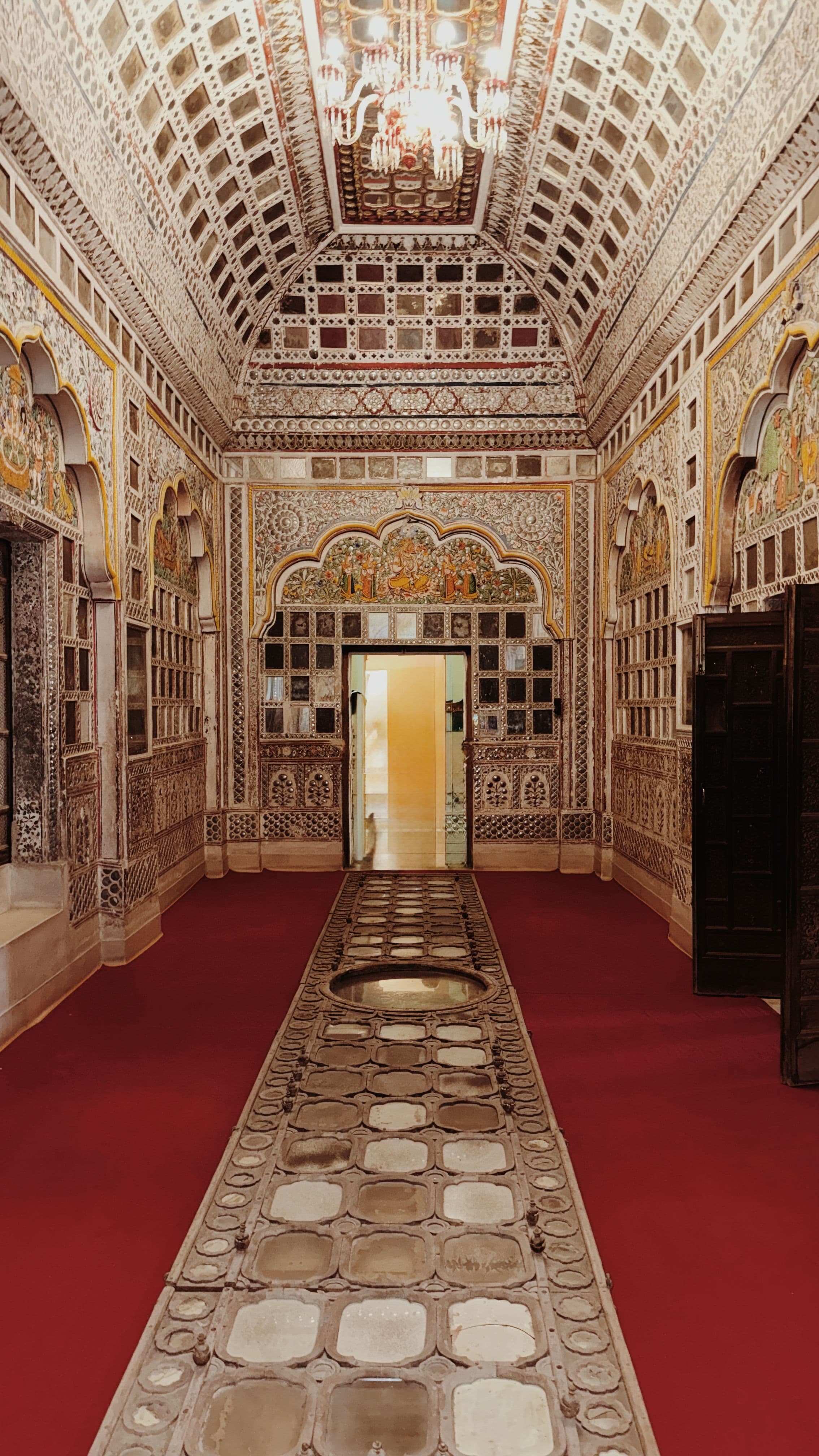
Take Bishnupur as an experience, not a resort break. Take a car hire service and get a guide. Go there during the golden hour and arrange a private weaving visit. Combine it with a good base camp at either Kolkata or Shantiniketan.
Family Travel Tips
Image via pexels
Family Travel Tips
Kids like the toto ride, the cannon, and the terracotta horses. Restrict kids from climbing around the structures and drink plenty of water. Avoid the hot sun by starting the day early
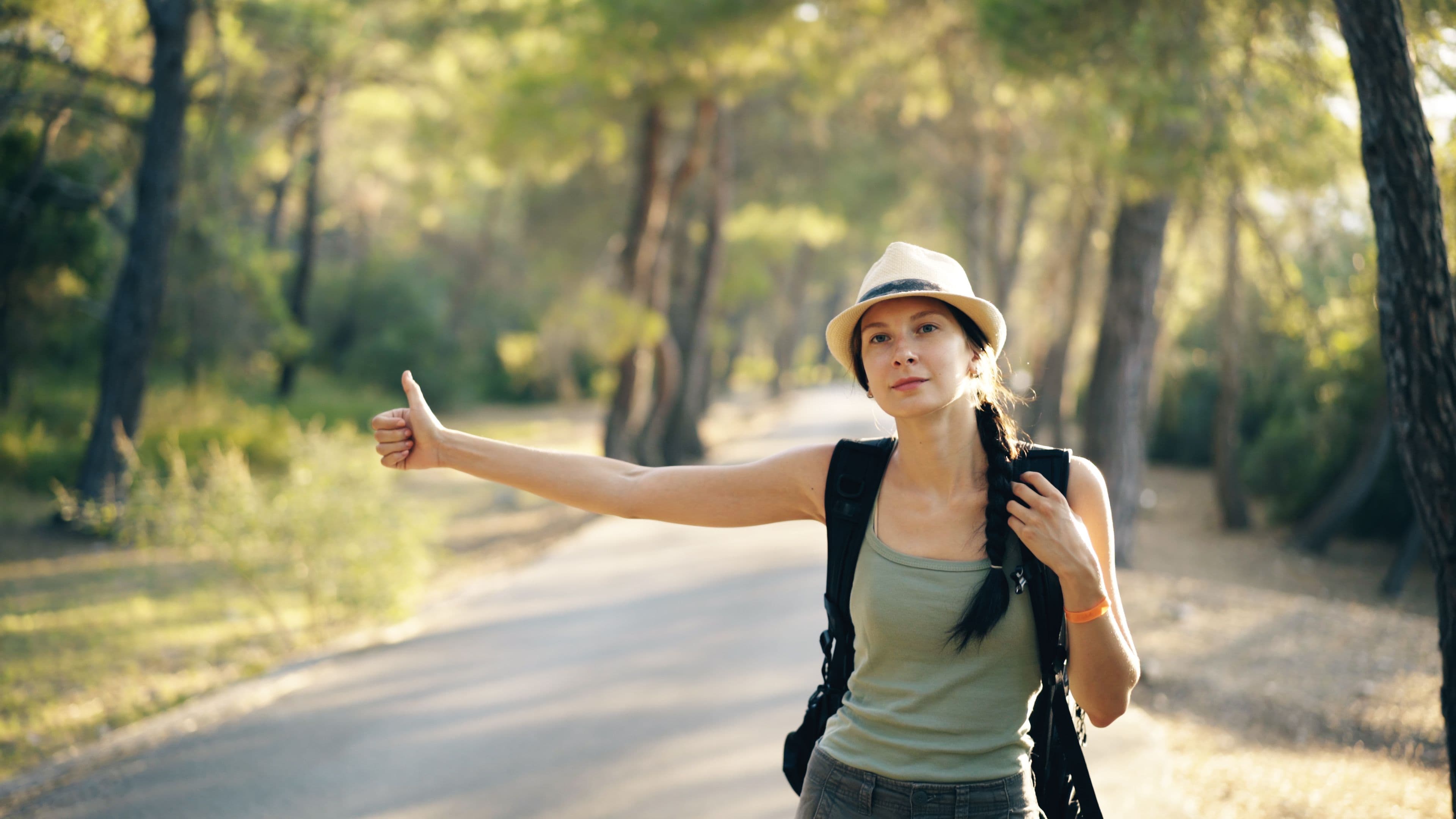
Solo Female Traveler Tips
Image via pexels
Solo Female Traveler Tips
Bishnupur is a small and peaceful town and is quite pleasant for tourists. Dress conservatively, especially when visiting any active temple, and use a reputable driver or a reputable tuk-tuk driver and never take a lonely lane after sunset. Women Safe Tourist Itineraries can be planned by India Heritage Travel.
Practical Travel Guide
Best Time to Visit
October through February for cool and comfortable weather (approximately 12 to 25 degree Celsius). March through June is very hot, and monsoon months have rains. Bishnupur Mela takes place in December.
How to Reach
- • By Air: Nearest airport is Kolkata.
- • By Rail: Direct trains from Howrah take about 3.5 hours - including the Rupashi Bangla Express and Aranyak Express.
- • By Road: Approximately 135 km via the Durgapur Expressway - about 3.5 hours.
Entry and Ticket Details
An inexpensive ASI composite ticket for Indian citizens costs approximately INR 25, while the cost is high for foreigners; check on the current rate and where to buy tickets. Guide fees range from a few hundred rupees. The toto for the whole day is a few hundred rupees.
Suggested Duration
Minimum: one full day. Recommended: one night to see the temples at dawn and dusk.
Safety
Carry money, as credit cards and card networks may not work; keep yourself hydrated with mineral water; do not climb on the temples; and take care of the sun exposure.
Photography
Golden hour is best. Ask before photographing artisans or worshippers. Tripods and drones may need permission at protected monuments.
Suggested Itineraries
One-Day Bishnupur Itinerary from Kolkata
| Time | Plan |
|---|---|
| 6:00 AM | Private chauffeur departure from Kolkata |
| 9:30 AM | Rasmancha with a licensed guide |
| 11:00 AM | Jor Bangla and Shyam Rai temples |
| 1:00 PM | Lunch of a Bengali thali |
| 2:30 PM | Dalmadal Cannon and fort gateway; Madan Mohan temple |
| 4:30 PM | Baluchari weaver visit and craft shopping |
| 5:30 PM | Return journey |
Two-Day Terracotta and Craft Escape (Recommended)
- • Day 1. Travel from Kolkata, tour the important temple complex and the Dalmadal cannon, followed by meeting a weaver at Tantipara. Dinner and accommodation at Bishnupur.
- • Day 2. Morning at Rasmancha, visiting the terracotta craftsmen in Panchmura, then proceed to Shantiniketan or back to Kolkata.
Why Choose India Heritage Travel
Bishnupur rewards careful planning, since signage is limited and sites are scattered - and India Heritage Travel builds journeys around that reality. We arrange private chauffeur tours from Kolkata, customised itineraries combining temples, crafts, music, and the Bengal countryside, vetted comfortable stays with honest guidance on limited luxury options, historian guides who decode the terracotta panels, women-safe drivers and stays for solo and all-woman groups, and premium support from enquiry to departure, including artisan visits. Share your dates and interests, and we'll craft a tailored Bengal itinerary spanning Bishnupur, Shantiniketan, and beyond - quotes on request.
Frequently Asked Questions
Bishnupur is famous for its 17th-century terracotta temples built by the Malla kings, along with Baluchari silk saris, terracotta horses, Dashavatar cards and a classical music tradition.
Bishnupur is about 135 km from Kolkata, roughly 3.5 hours by road or by direct train from Howrah. A private car is the most flexible option for a day trip.
The Rasmancha, Jor Bangla (Keshta Rai), Shyam Rai and Madan Mohan temples are the highlights, along with the Dalmadal Cannon and the old fort gateway.
October to February is the most comfortable. Summers are very hot and the monsoon brings rain. The Bishnupur Mela is held in late December.
The main monuments have a low-cost ASI composite ticket, reported at around INR 25 for Indian citizens, with a higher rate for foreign visitors. Confirm current prices before travel.
Yes. An early start by car or train allows time for the main temples, the Dalmadal Cannon and a craft visit, but an overnight gives a more relaxed experience.
Planning a Bishnupur Heritage Journey?
India Heritage Travel crafts private Bengal itineraries featuring Bishnupur's terracotta temples, Baluchari silk, and Malla-era heritage - combined with Kolkata, Shantiniketan, and the Bengal countryside.
Plan My Bishnupur Heritage Journey